
What is Organ Trafficking?
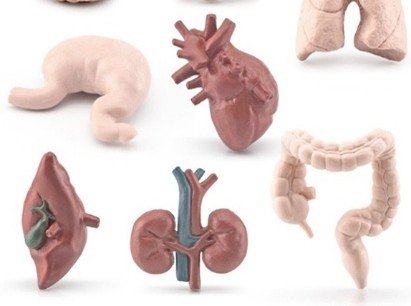
Organ Trafficking, also known as organ harvesting, falls under the umbrella of Human Trafficking. Traffickers are coercing or deceiving people to obtain human organs for financial profit illegally. The United States Department of State reports that the “purpose of organ removal” is for economic profit, victims are exploited for “their organ, including by coercion, deception, and abuse of a position of vulnerability.” (Department of State). Individuals are tricked into donating organs, with donors told there are “no negative side effects” (Department of State). The “organ trafficking industry is quickly growing into one of the more prevalent forms of trafficking” in the United States and globally (Buettner, 2016, p.1). The United States Department of State alleged that organ removal includes organs such as the heart for $130,000, kidneys for $62,000, livers for $98,000, corneas for $30,000, tissues, cells, and skin. Due to financial reasons, “organ trafficking to exist and flourish” (Buettner, 2016, p.1).
The demand for organs exceeds current availability; people with financial resources often travel abroad in search of organs and transplant care. Thus, the name, ‘Organ Tourism’, is also known as ‘transplant tourism’. Traffickers who witness this need will capture or trick individuals into providing these organs to those with resources. Organ Tourism is cruel, not only are the Traffickers taking organs from people without consent. It has been estimated that about 10% of 70,000 kidneys used in 2010 were obtained on the black market (Byan, p. 65). These people may live their lives with a significant medical condition due to organ removal, and they will have emotional and psychological issues as well.