
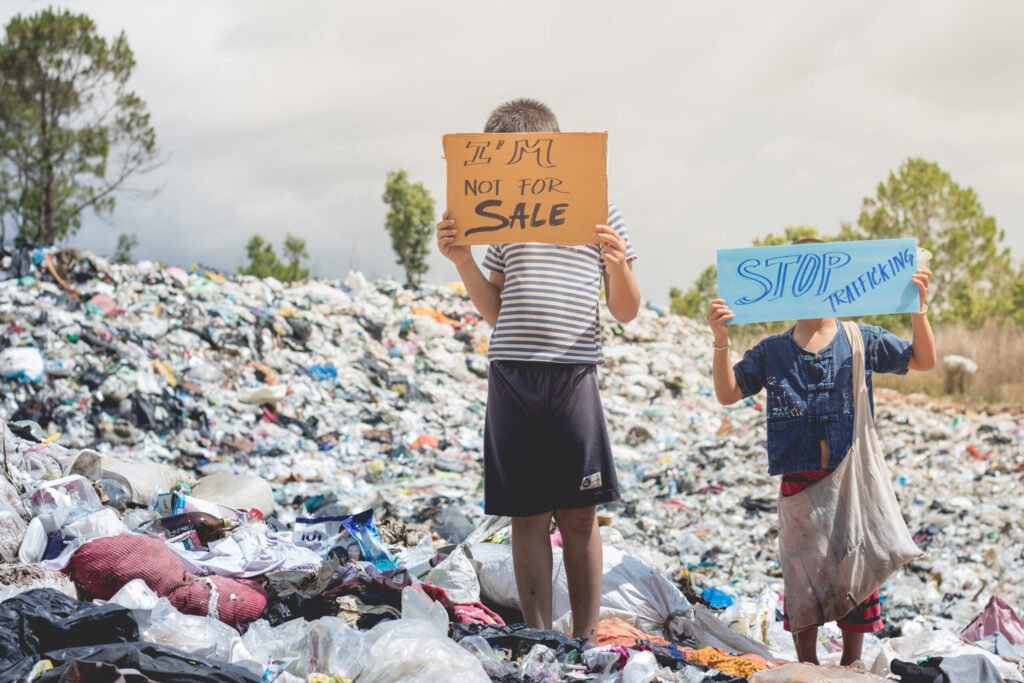
What is Labor Trafficking?
Labor Trafficking, a part of Human Trafficking, sometimes referred to as ‘forced labor.’ Defined as, “Labor trafficking is an extreme form of exportation. From ‘restaurants, nail salons, garment factories, and farms,’ people are forced to provide labor “with little or no pay.” (Krell, p. xi). Television and movies portray images of people tricked into coming to America, in reality, many of those trapped in Human Trafficking, (sex or labor), are from within the United States. Labor trafficking includes bonded labor (debt bondage), forced labor child labor. Debt bondage or bonded labor is least known by the public, Traffickers hold a debt over the victim and force them to repay of collect it from family. Forced labor, are individuals forced to provide free labor. ACAMStoday.com estimates 10% of organ transplants are trafficking.
Debt Bondage
forced Labor
Labor Trafficking could be defined as Debt Bondage, Forced Labor or other labor services.
Opportunities of Labor Trafficking (services) may include agriculture, beauty services, cleaning services, construction, domestic services, factories, manufacturing, peddling, and restaurant services.
Human Trafficking is a crime involving the exploitation of someone for the purposes of compelled labor or a commercial sex act through the use of force, fraud, or coercion. Where a person younger than 18 is induced to perform a commercial sex act, it is a crime regardless of whether there is any force, fraud, or coercion.
Specially, within the Department of Labor’s purview, labor trafficking encompasses the range of activities – recruiting, harboring, transporting, providing, or obtaining – involved when a person uses force or physical threats; psychological coercion; abuse of the legal process; a scheme, plan, or pattern intended to hold a person in fear of serious harm; or other coercive means to compel someone to work. Once a person’s labor is obtained by such means, the person’s previous consent or effort to obtain employment with the trafficker does not preclude the person from being considered a victim, or the government from prosecuting the offender. U.S. law prohibits the importation of goods produced by forced labor, including forced child labor; convict labor; and indentured labor under penal sanctions.